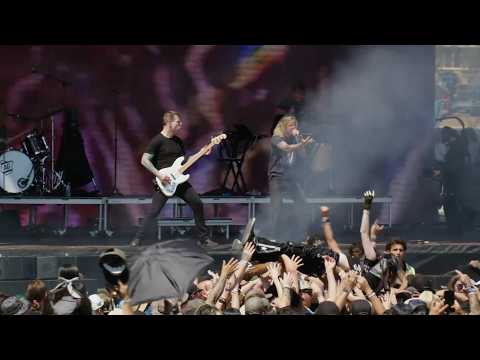
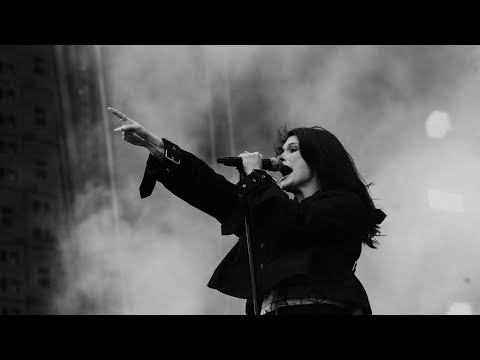
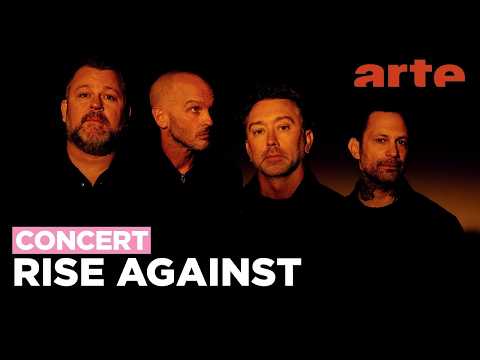
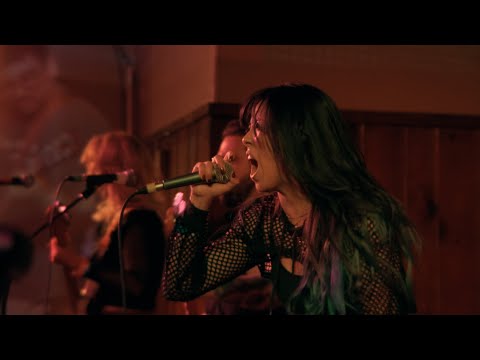
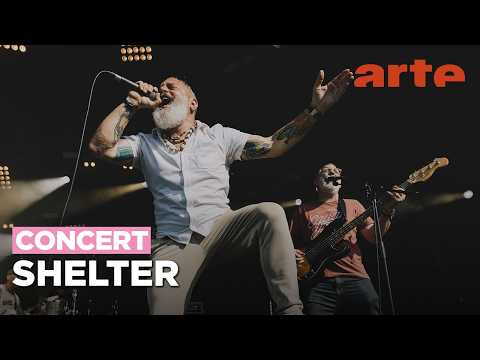
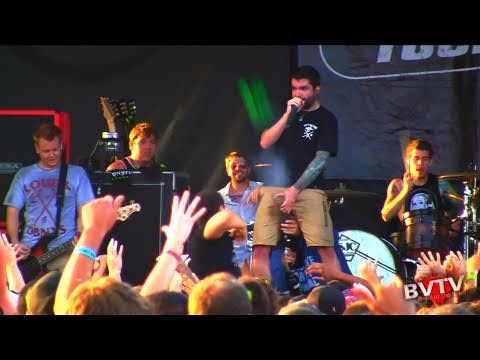
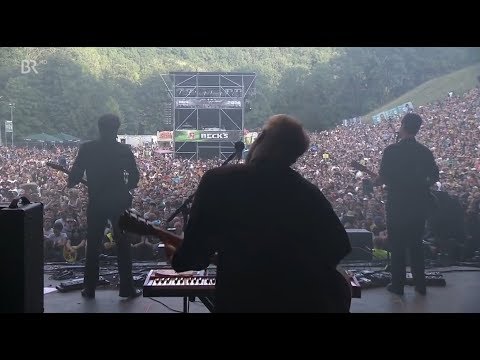
A short official band upload catches the room opening from the stage outward, a physical reminder of why this reunion already existed live before it returned to the studio.
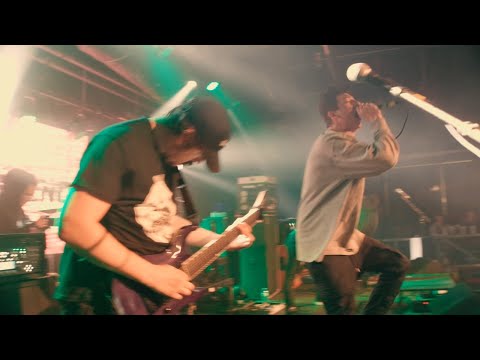
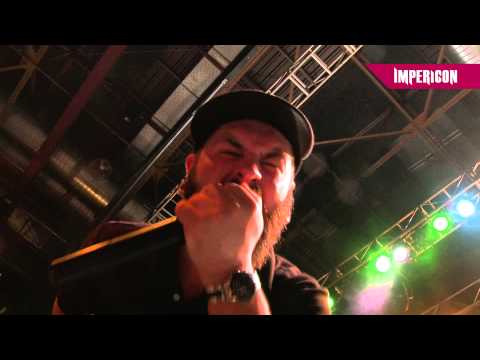
hate5six films the band at floor level, where the stop-start detail of Irrational Pull and Narrative-era songs stays audible even as the room folds around the camera.
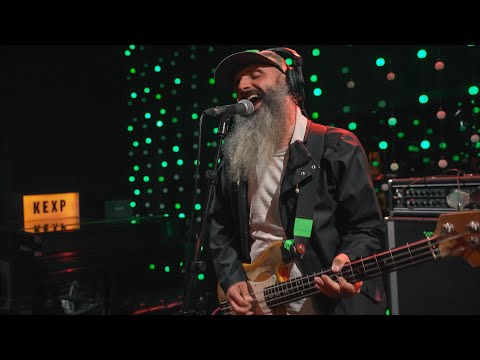
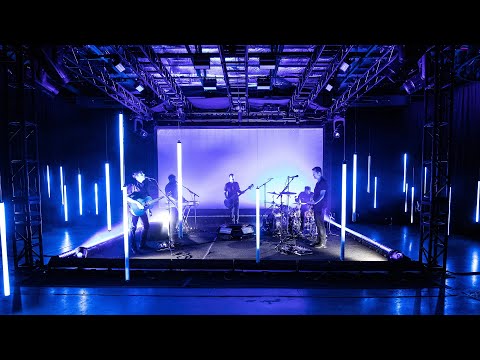
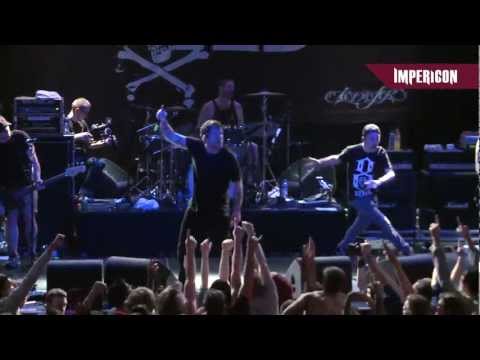
The reunited Philadelphia band leave the guitar lines loose enough to breathe, turning the studio into the kind of small room where their songs first became communal knowledge.
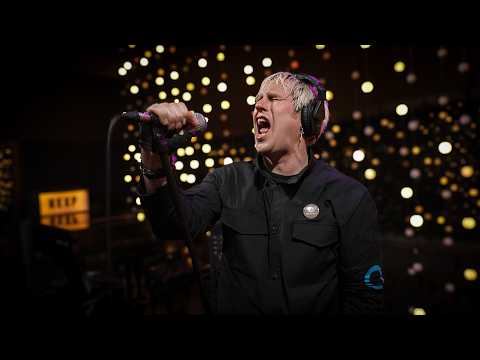
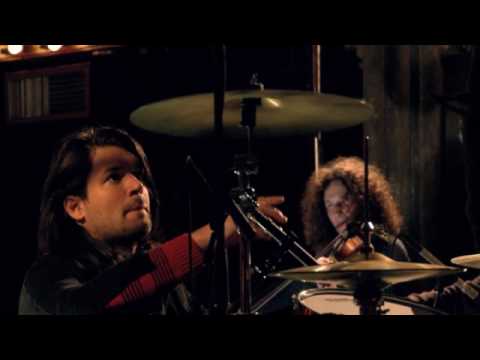
Home Front bring programmed pulse and punk momentum into the same live frame, with Watch It Die sounding less like a studio hybrid than a room finding one shared tempo.
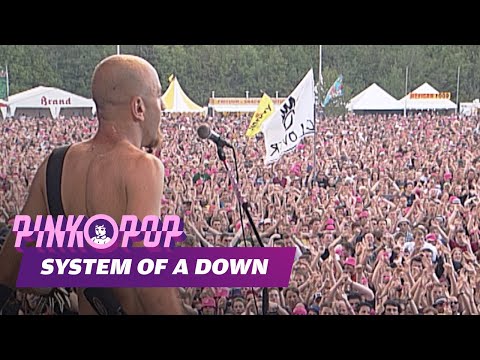
Pinkpop's archive catches Toxicity-era System Of A Down moving at impossible speed without losing the strange pauses, folk-shaped melodies and crowd control inside the songs.
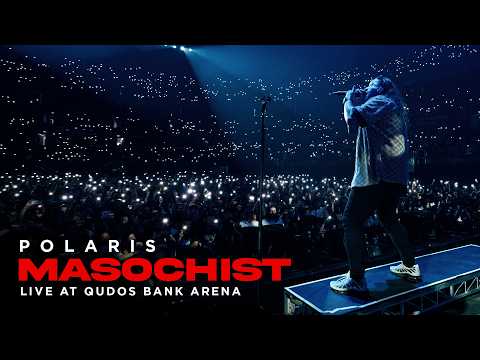
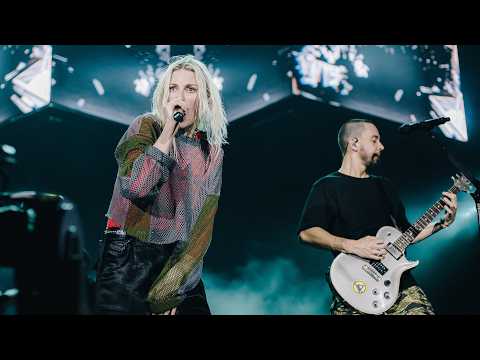
Polaris' own tour film keeps the song's quiet opening intact before the arena answers its central line; grief and scale occupy the same performance without cancelling each other out.
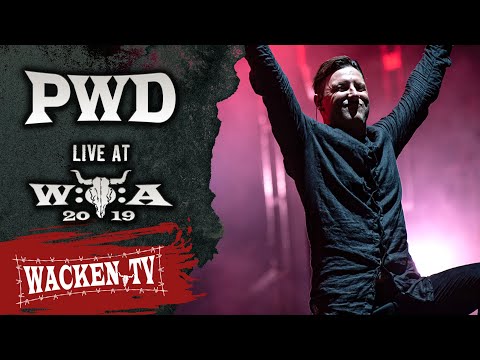
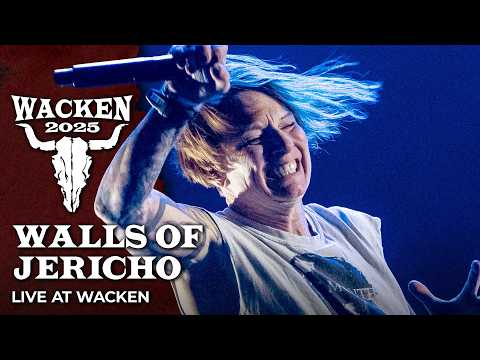
Wacken's official three-song cut is a compact reminder that Parkway Drive's festival scale was built on songs that still hit before the extra staging enters the frame.
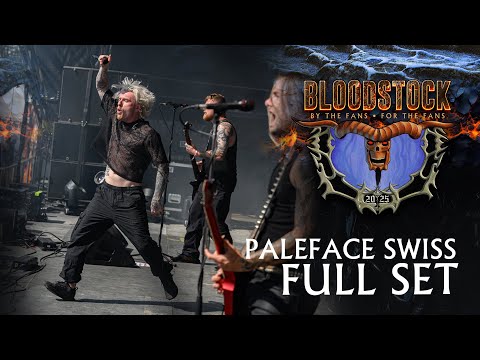
DeathcoreBloodstock Open Air, England, 8 August 2025
Paleface Swiss
Full set
Bloodstock's complete film catches the Swiss band's first UK festival appearance at full force, from the low-end churn of Hatred to the closing push through Love Burns.
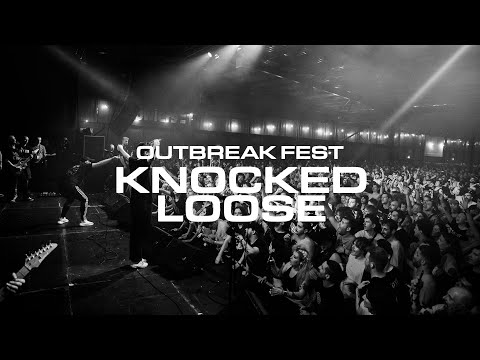
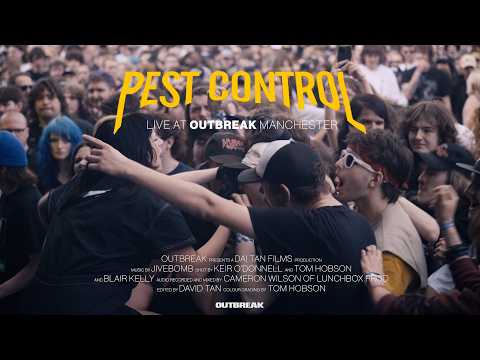
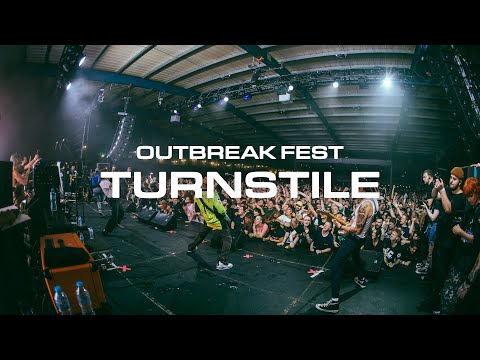
The barrier-free Outbreak setup turns every pause into movement. The camera stays close enough to show how much of this set belongs to the people crossing the stage and giving the songs back.
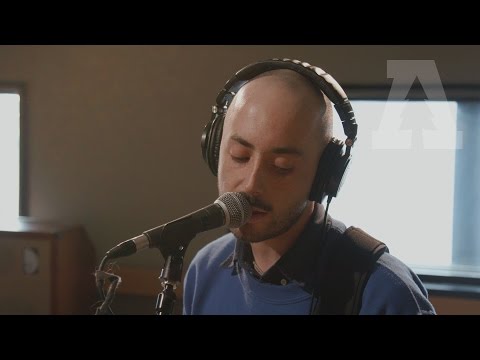
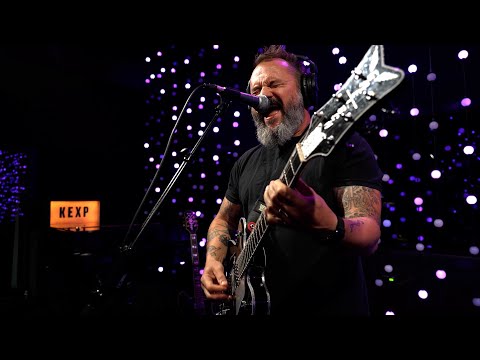
A close-room session that leaves Jade Lilitri's hooks and the band's guitar detail in the foreground, revisited as Oso Oso put a date and label behind album six.
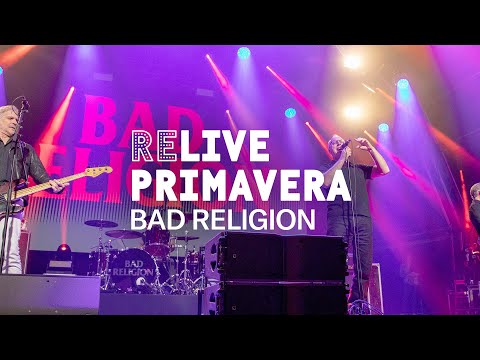
Primavera's complete archive film gives the band's short-form precision a full hour, with the political songs and melodic releases arriving at the same unsentimental pace.
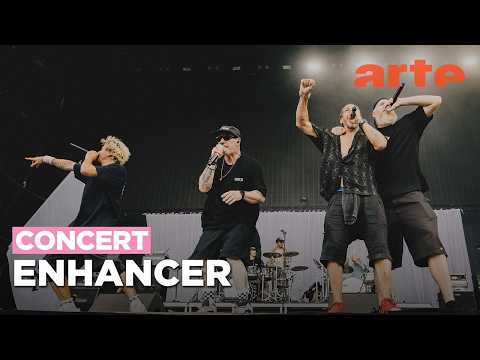
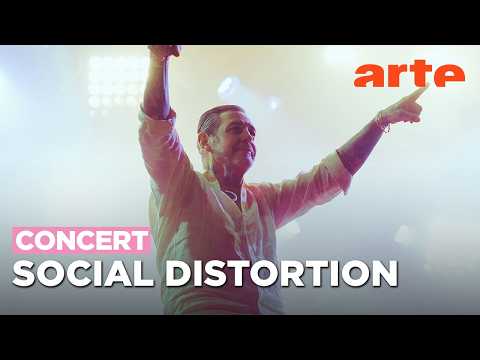
ARTE documents a French nu-metal reunion as a living network, with guests moving through a set that connects rap-metal history to the crowd in front of it now.
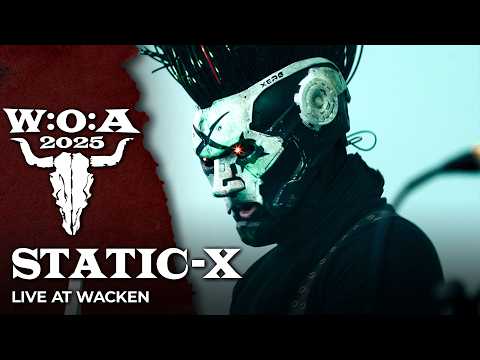
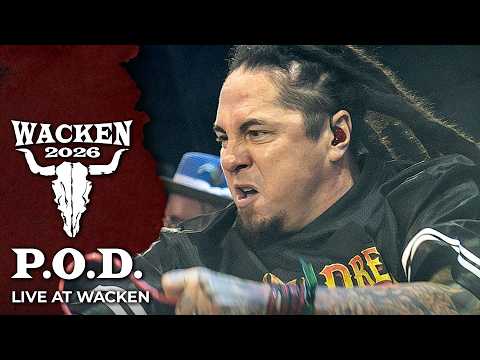
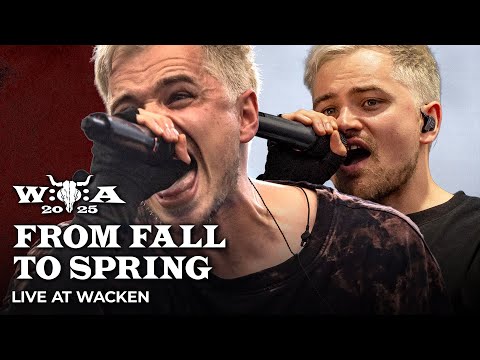
Wacken's official film keeps the abrupt vocal changes, Eugene Abdukhanov's bass detail and the band's progressive turns clear inside a festival-sized mix.
The Asheville band bring their loud-soft dynamics into Audiotree's close room, where the guitar overlap and strained hooks can land without a barrier or festival edit.
Wacken's archive holds onto the song's clipped bass entrance and chant without stretching a compact punk standard into something it was never meant to be.
A knowingly compressed run through the scene's biggest hooks, played by a band that survived the era and can treat its shared vocabulary with humor rather than distance.
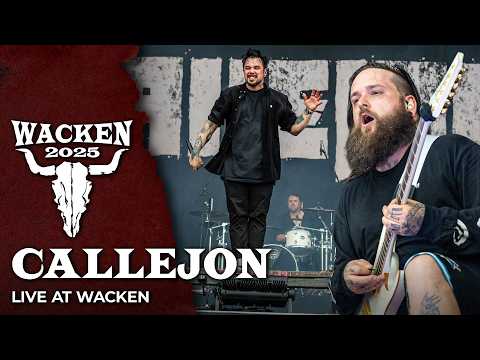
The official Wacken film catches Callejon moving between German-language hooks, compact metallic riffs and the loose control of a band at home on a festival stage.
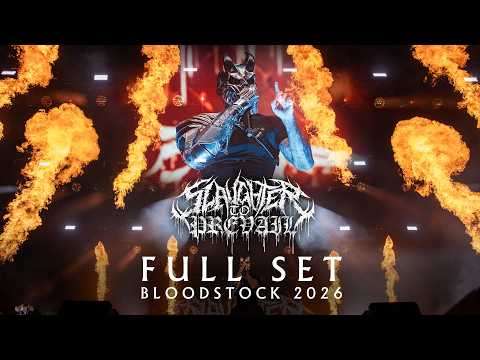
DeathcoreBloodstock Open Air, England, 8 August 2026
Slaughter to Prevail
Full set
Bloodstock's new main-stage film gives the breakdowns their full scale while keeping the fast rhythmic details and Alex Terrible's vocal changes clear in the mix.
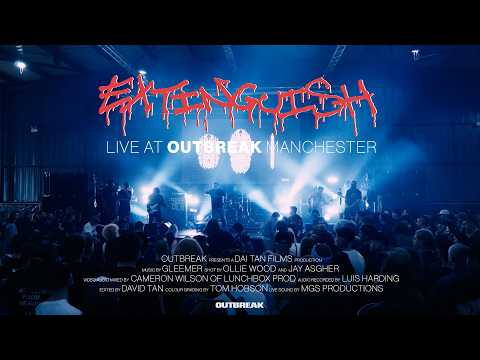
A short, floor-facing set where every pause creates space for the crowd, documenting Extinguish's death-metal weight without turning the performance into a distant spectacle.
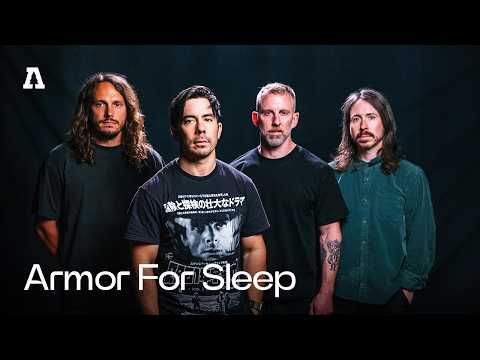
Holiday, Action & Action, Valentine and Ten Minutes arrive with the rough edges intact in a session recorded around the 25th anniversary of Something to Write Home About.
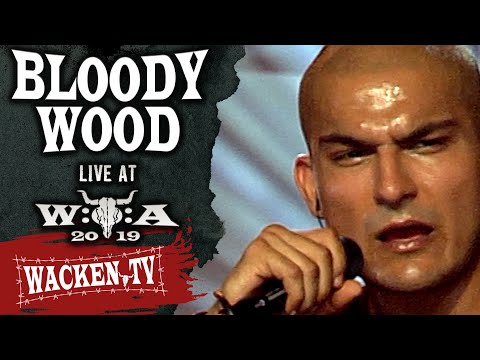
Bloodywood's early Wacken set makes the band's combination of nu-metal bounce, Indian folk instrumentation and bilingual vocals feel structural rather than ornamental.
Wacken's full-show archive catches While She Sleeps before the arena years, with the crowd-level urgency and tightly packed transitions already in place.
Outbreak's stage-level film keeps the abrasion, melody and crowd motion in the same frame, which is exactly where Drug Church's live tension makes sense.
Wacken's official cut follows the familiar quiet-to-impact structure all the way to the field-wide response that has kept Bodies in heavy-music setlists.
A direct 37-minute set that keeps the Manchester band's metallic hardcore balance intact: fast transitions, hard stops and very little space between songs.
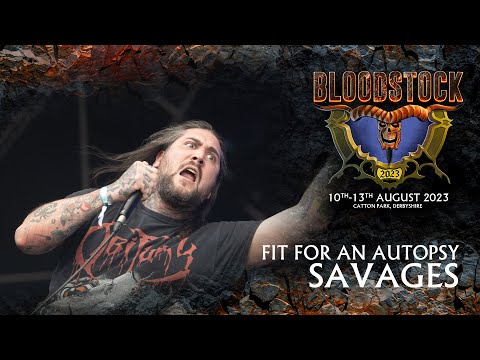
DeathcoreBloodstock Open Air, England, August 2023
Fit For An Autopsy
Savages
A focused four-minute introduction to the band's slower, wider version of deathcore, with the Bloodstock mix leaving every change in weight easy to follow.
Twenty-five minutes of the room moving as one, captured after Glow On pushed Turnstile onto festival main stages without putting a barrier between band and crowd.
A festival-length set that puts the band's fastest early material and big 1990s hooks beside the current live lineup without cutting away between songs.
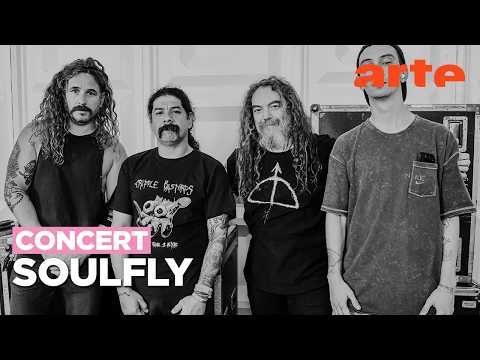
Nu MetalSummer Breeze Open Air, Germany, 15 August 2026
Soulfly
Full set
A newly shared set that connects Soulfly's groove-heavy catalogue to Max Cavalera's wider history, including a late performance of the Deftones collaboration Headup.
A strong first click for anyone who only knows the singles: the set moves from hushed tension to modern metalcore weight without losing the songs between the extremes.
A patient hour for listeners ready to try something less immediate, where spoken detail, post-hardcore movement and long emotional arcs are allowed to breathe.
A chance to step sideways into melodic hardcore’s spiritual and philosophical corner, carried by hooks that make the unfamiliar material easy to enter.
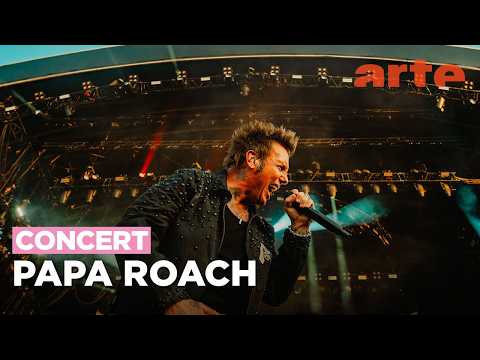
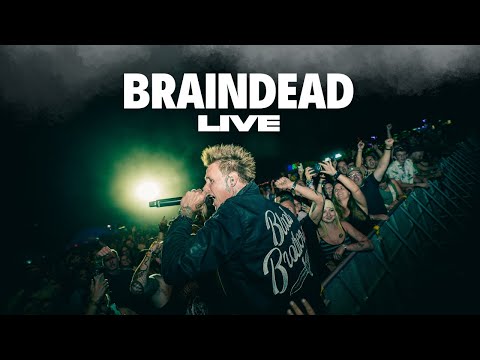
A current festival set for kicking back rather than studying history, with the early staples, newer songs and Jacoby Shaddix’s crowd work all in one place.
A direct way into the Marseille band's range: hardcore movement, melodic release and modern metalcore production sharing one rain-marked festival stage.
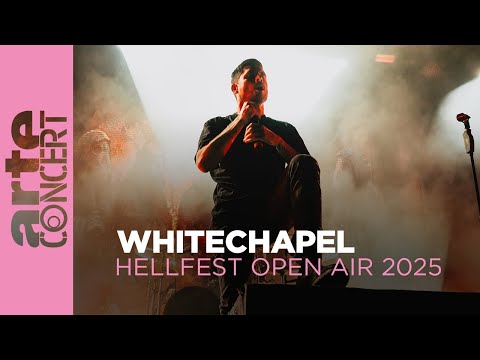
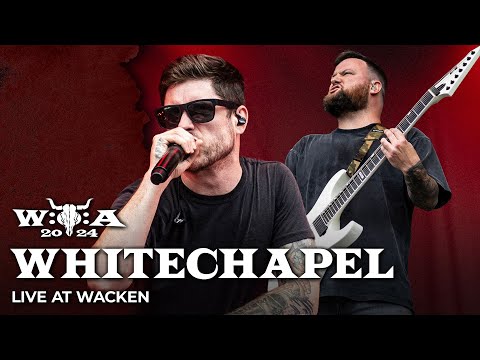
A full-stage route through Whitechapel's catalogue that shows how the band move between early violence, later atmosphere and Phil Bozeman's expanded vocal range.
Four songs are enough to hear why the Detroit band's metallic hardcore still feels physical: short setups, no decorative pauses and Candace Kucsulain driving every transition.
A lively cross-generational set that puts newer songs beside Weightless, Time-Bomb and Dear Maria without turning the older material into a nostalgia break.
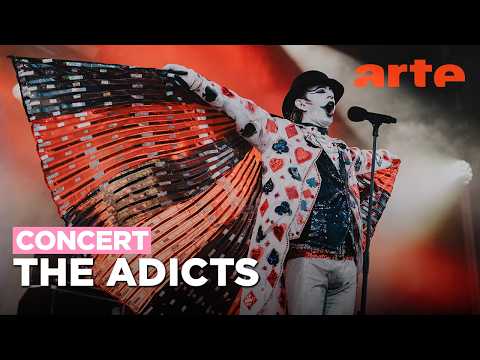
A visually playful way into a first-wave punk catalogue, with the costumes and crowd theatre supporting songs that remain quick, simple and sharply melodic.
The band's official live film places a Meteora staple inside the new lineup, letting the crowd carry the history while the performance stays firmly in the present.
A bright, fast entry point into Hanabie.'s collision of metalcore breakdowns, electronic detail and Harajuku-core color, filmed on Wacken's rain-soaked Louder Stage.
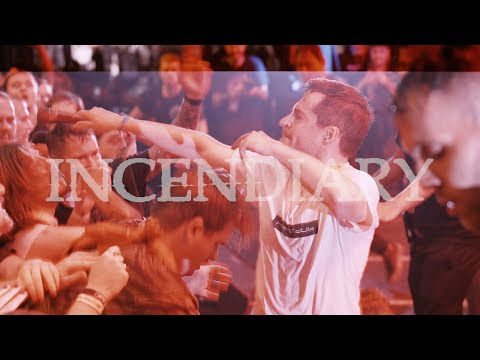
Incendiary's political New York hardcore lands in a tightly packed second-stage room, where the crowd response becomes part of every pause and restart.
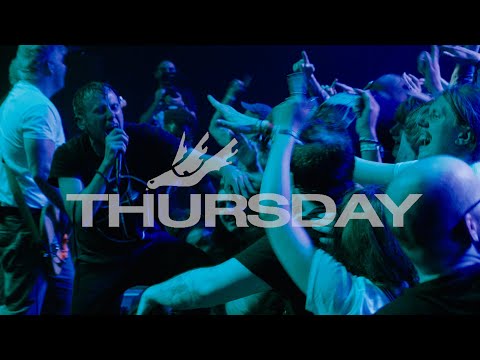
A good place to hear how Thursday's post-hardcore urgency and emo storytelling still function in a room built around direct contact rather than nostalgia.
A sold-out hometown performance of Hate from front to back, filmed with enough space to show both the album's sustained pressure and the room answering it.
A current 49-minute set that moves from Peaceful Day and Straight Ahead through the band's melodic-hardcore catalogue without sanding down its club-speed edges.
A current 74-minute broadcast that connects Infest-era cuts, newer material and the band's Nu Metal Time Machine medley in one unusually complete festival set.
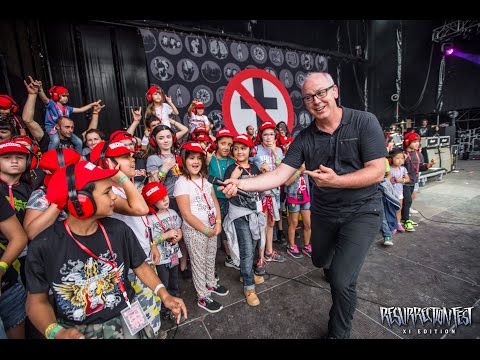
A close, professionally filmed reminder of how Parkway Drive turn a compact breakdown into a complete crowd cue, without losing the song's forward motion.
A full festival document from the Pain Remains era, balancing the symphonic scale with the physical detail of Austin Archey's drums and Will Ramos' vocal shifts.
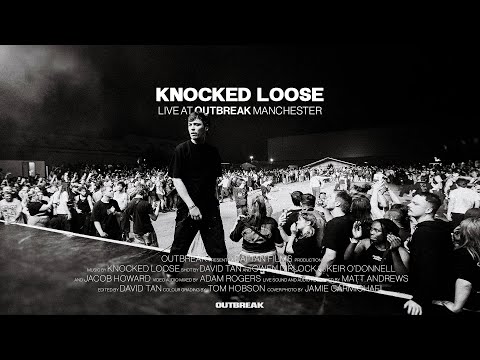
Knocked Loose headline a room that still behaves like a hardcore show, with the camera staying close enough to catch the constant exchange between stage and floor.
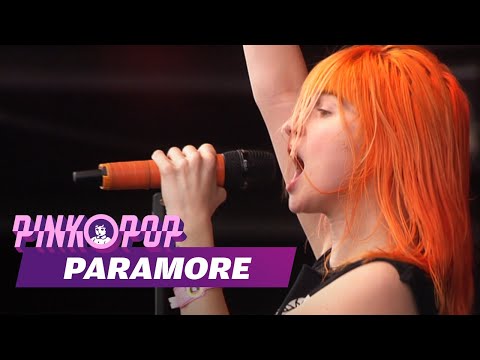
A sharp festival set from the self-titled era, where older scene staples and the band's expanding pop instincts sit together before either side feels like a separate chapter.
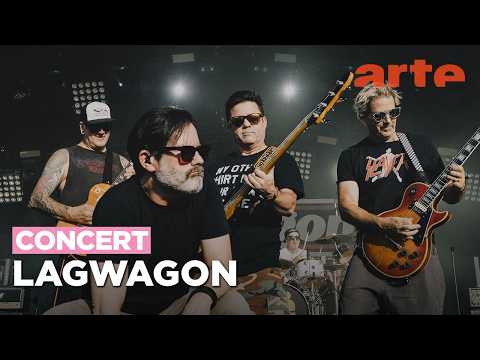
A current broadcast set that lets Lagwagon's melodic precision and rougher live edges coexist, with nearly three decades of songs moving at club speed on a festival stage.
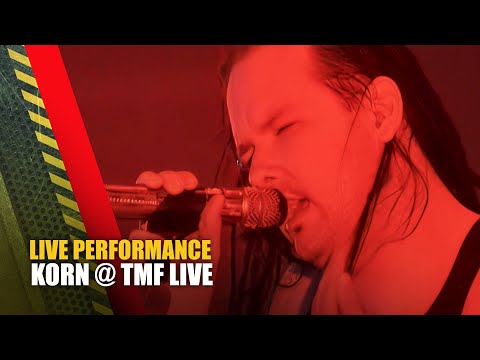
An hour-long broadcast from the Untouchables era, preserving Korn at a strange creative peak where arena scale, low-end weight and deep-cut tension still shared the same set.
A main-stage Warped performance from the What Separates Me From You era, with the compact verse and huge final chorus showing why the song became a festival constant.
The dual-vocal attack and sudden rhythmic stops are captured without smoothing out the chaos, turning an early Despised Icon staple into a precise festival document.
The acoustic arrangement leaves the New Again closer exposed, with Adam Lazzara and Matthew Fazzi carrying its tension through the Angel Orensanz room rather than chasing arena volume.
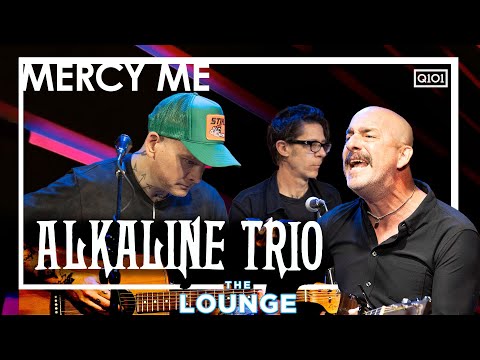
Punk RockQ101 Live In The Lounge, Chicago, 18 September 2025
Alkaline Trio
Mercy Me
The intimate radio arrangement strips Mercy Me back to its two voices and durable chorus, letting Dan Andriano and Matt Skiba show the song's shape without a full stage behind them.
DeathcoreBloodstock Open Air, England, 12 August 2017
Whitechapel
I, Dementia
A precise older Whitechapel performance built around the song's stop-start rhythm, with Phil Bozeman keeping the main-stage delivery controlled rather than rushed.
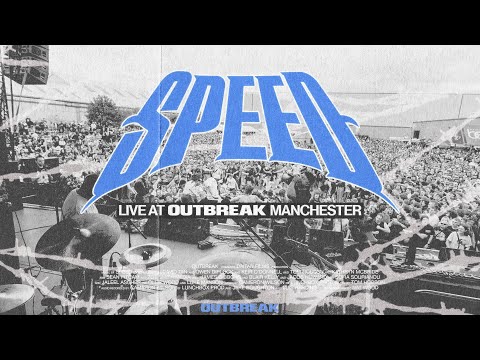
Speed headline Outbreak without turning the stage into a distant spectacle, keeping the set rooted in movement, direct contact and the communal logic of hardcore.
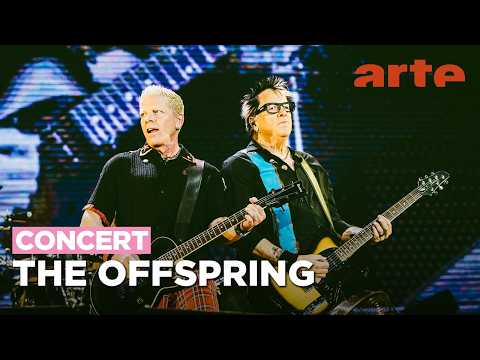
Punk RockWelcome to Rockville, United States, May 2026
The Offspring
The Kids Aren't Alright
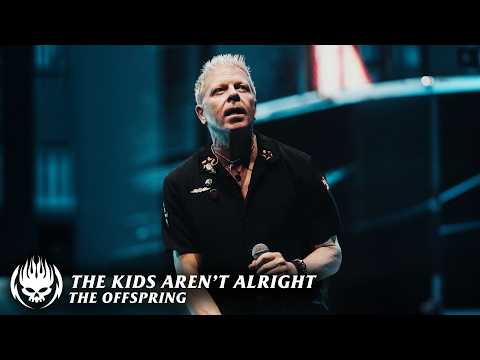
A current official performance of the Americana closer, still balancing its instant guitar line with a lyric that gets darker as the crowd gets louder.
Nu MetalLive in Texas, United States, 2 August 2003
Linkin Park
Faint
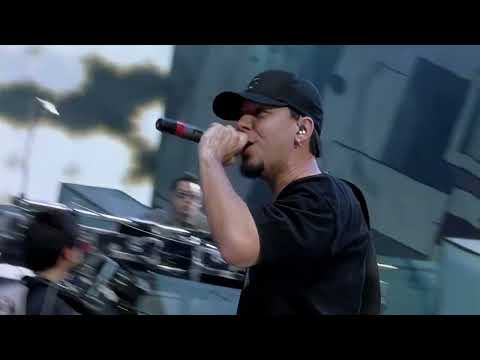
The Live in Texas version compresses everything essential about early Linkin Park into three minutes: clipped verses, a huge chorus and Chester Bennington's final sustained release.
DeathcoreBloodstock Open Air, England, August 2024
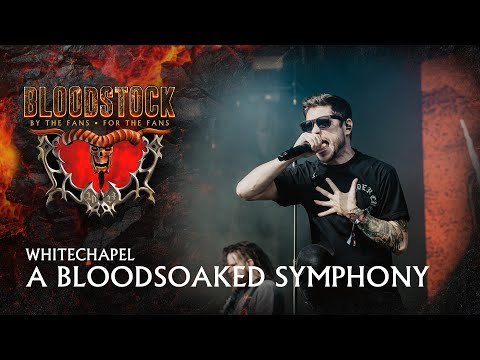
Whitechapel
A Bloodsoaked Symphony
Whitechapel bring Kin's heaviest release to Bloodstock's main stage, with Phil Bozeman controlling every shift from the opening scrape to the final breakdown.