
Chimaira’s Debut ‘Pass Out Of Existence’ Turns 25
The Cleveland band’s Roadrunner debut used seven-string guitars, programming and samples before their sound moved towards groove metal.
Read story
The songs, sessions, artwork and decisions behind the records that changed metalcore, deathcore, hardcore, emo, punk rock and nu metal.
33 verified stories
The Cleveland band’s Roadrunner debut used seven-string guitars, programming and samples before their sound moved towards groove metal.
Read story
The six-song Drive-Thru EP introduced the piano-led version of Something Corporate that reached a much wider audience the following year.
Read story
The album kept Wage War's cleaner hooks but brought the title track's electronics and the weight of ‘High Horse’ into the same version of the band.
Read story
The Portland band's first full-length put Emma Boster's voice over eleven tightly written tracks of metallic hardcore and metalcore.
Read story
Released as Yellowcard's final album in 2016, the self-titled record now sits between the band's farewell and its unexpected return.
Read story
The 2016 album returns with new mastering and anniversary shows, giving Oathbreaker's most expansive record a second active life.
Read story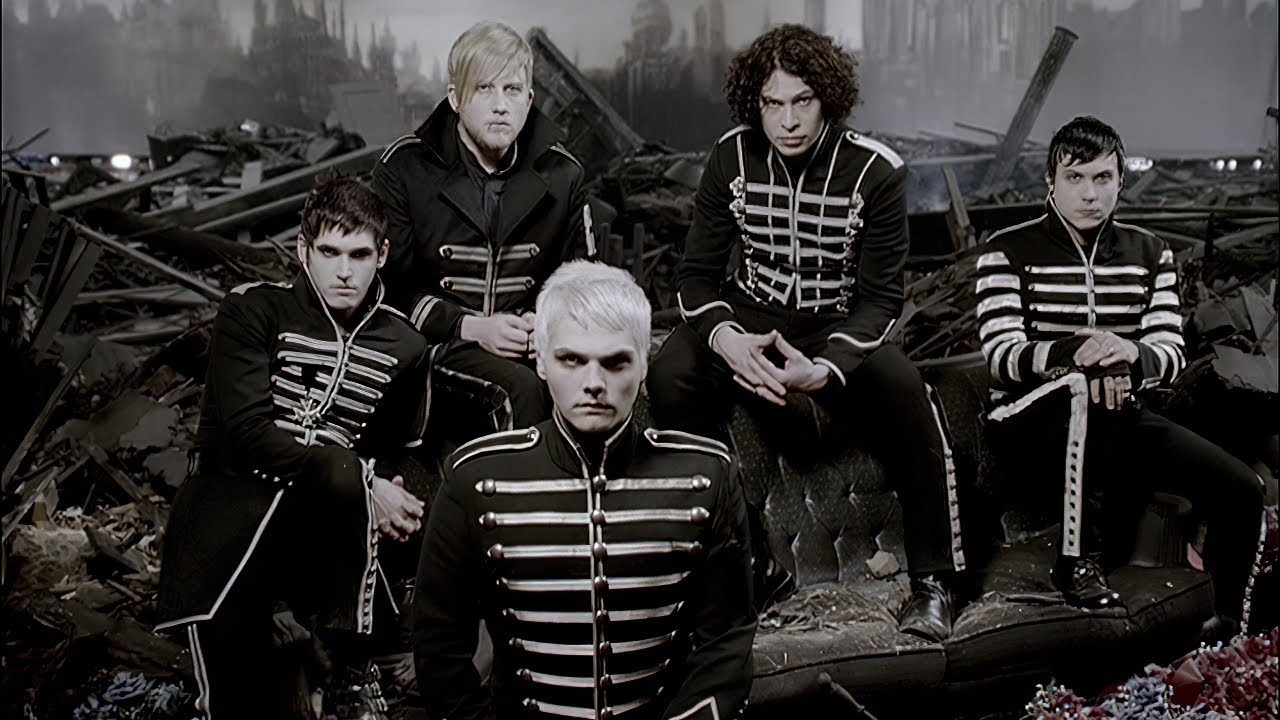
The Samuel Bayer-directed video introduced The Black Parade before the album arrived, complete with uniforms, a funeral procession and the Patient.
Read story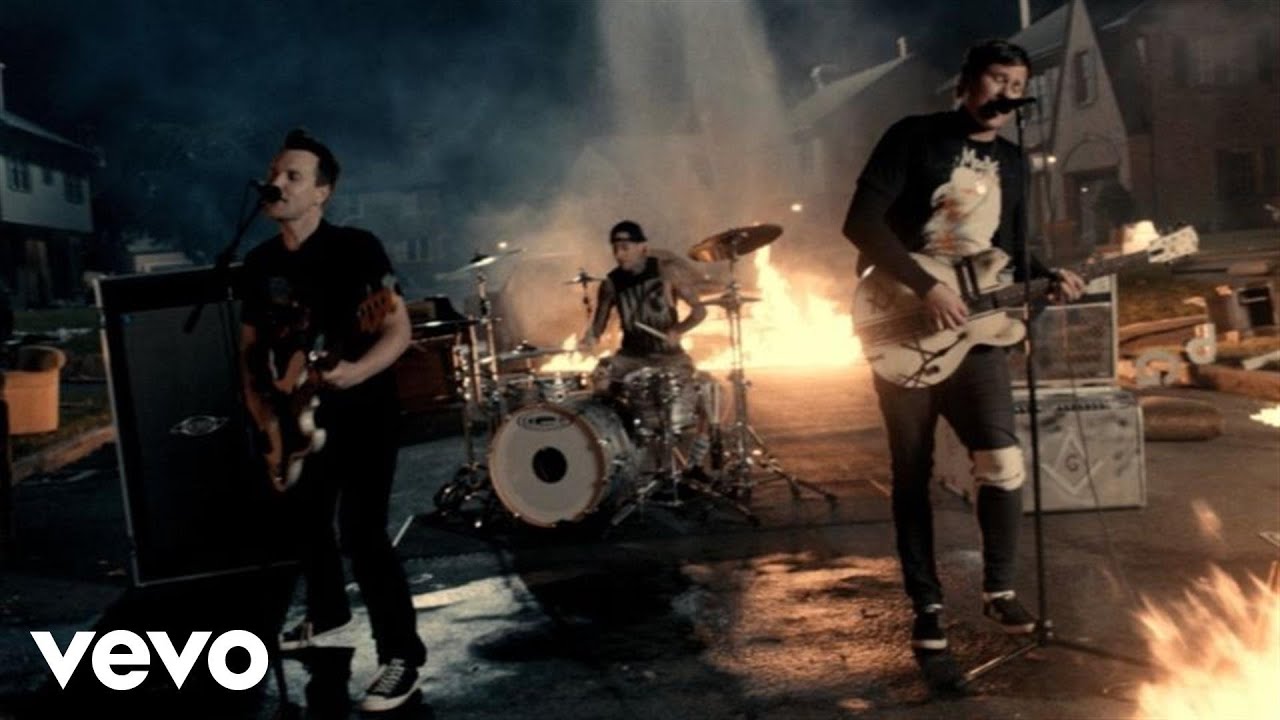
The first blink-182 album after the band’s reunion sounded fractured by design, with ‘Ghost On The Dance Floor’ and ‘After Midnight’ holding its darker edges together.
Read story
The debut album built its identity around low-tuned rhythm, bright ambient guitars and two vocalists without letting the technical details replace the songs.
Read story
The first Saosin full-length introduced Cove Reber on album vocals and still holds together far beyond its three best-known singles.
Read story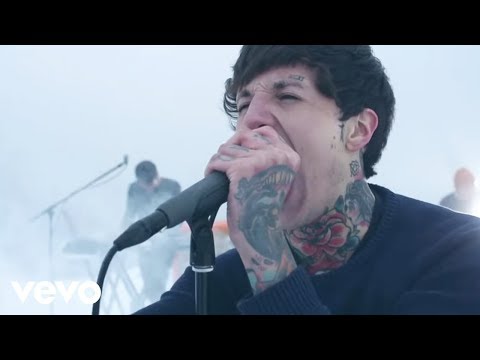
On Sempiternal, the electronics are as memorable as the riffs. Bring Me The Horizon brought both together without losing the heaviness.
Read story
That scream in Entombment of a Machine still gets a reaction. Doom caught Job for a Cowboy early, before they moved towards technical death metal.
Read story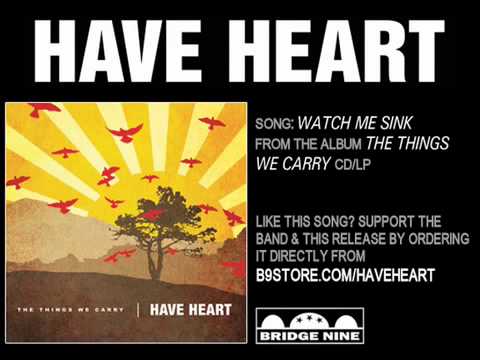
The Things We Carry is fast and full of conviction, but Patrick Flynn leaves room for doubt. That's a big part of why these songs still connect.
Read story
American Football were already going their separate ways when their 1999 debut arrived. The record kept finding people anyway.
Read story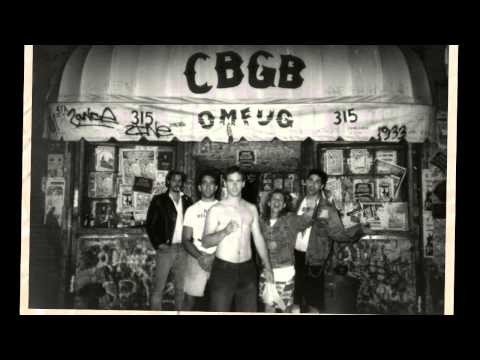
Suffer gets a lot done in twenty-six minutes. The songs are fast, the harmonies stick, and Greg Graffin gives you plenty to think about.
Read story
System Of A Down packed Armenian musical influences, politics and absurd humour into their second album. Somehow, the hooks made it all feel immediate.
Read story
Swedish melodic-death-metal guitars, hardcore and Jesse Leach's voice came together on Killswitch Engage's second album.
Read story
Whitechapel's second album locks the Knoxville band's three guitars into a precise, low-slung attack without cleaning away its ugliness.
Read story
Refused used hardcore as a launch point for electronics, jazz tension, silence and political theatre, then split before the wider audience caught up.
Read story
Twelve songs about distance, bad timing and ordinary heartbreak, with choruses that still deserve to be sung loudly.
Read story
The Offspring recorded Smash cheaply, stayed on Epitaph and watched a nervous, sarcastic punk album become an eleven-million-copy exception.
Read story
Got the Life, Freak on a Leash, Korn TV and the first Family Values Tour helped take Korn beyond their existing audience.
Read story
Architects lost their co-founder and primary songwriter on 20 August 2016. Ten years later, his music still means so much to this scene.
Read story
Released on 19 August 2016, the self-titled debut captured Bad Omens as a direct mid-2010s metalcore band, years before their sound grew into arenas.
Read story
Four years on, True Power's switches between rap, electronics, big hooks and heavy breakdowns still stand out.
Read story
Released on 18 August 1998, Korn's third album connected downtuned guitars, hip-hop rhythm and music-video spectacle at a scale the scene had not reached before.
Read story
On 17 August 1996, Korn headlined the Kerrang! Stage with Life Is Peachy finished but still almost two months from release.
Read story
Bullet for My Valentine's 2005 debut put twin guitars, huge choruses and romantic disaster inside tightly written metalcore songs.
Read story
Suicide Silence recorded much of their debut as a band in the room, and the physical push of those sessions still comes through.
Read story
Converge's 2001 album sounds chaotic on first contact. Listen closer and the precision behind every rupture becomes hard to miss.
Read story
Jimmy Eat World's third album underperformed in 1999, then slowly became a reference point for detailed and emotionally direct guitar music.
Read story
Fast, funny and anxious, Green Day's 1994 breakthrough carried punk songwriting into millions of bedrooms.
Read story
Before the red cap became a pop culture symbol, Limp Bizkit's debut was abrasive, strange and much darker than memory suggests.
Read story