The full conversation
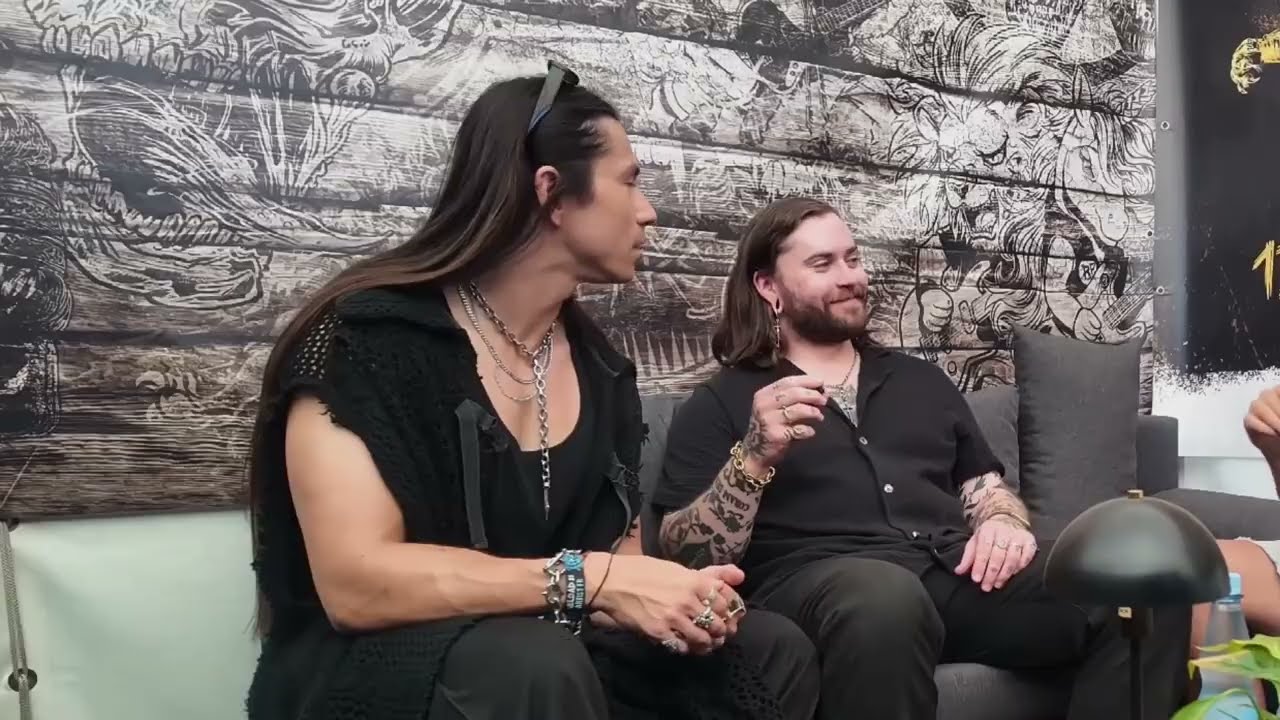
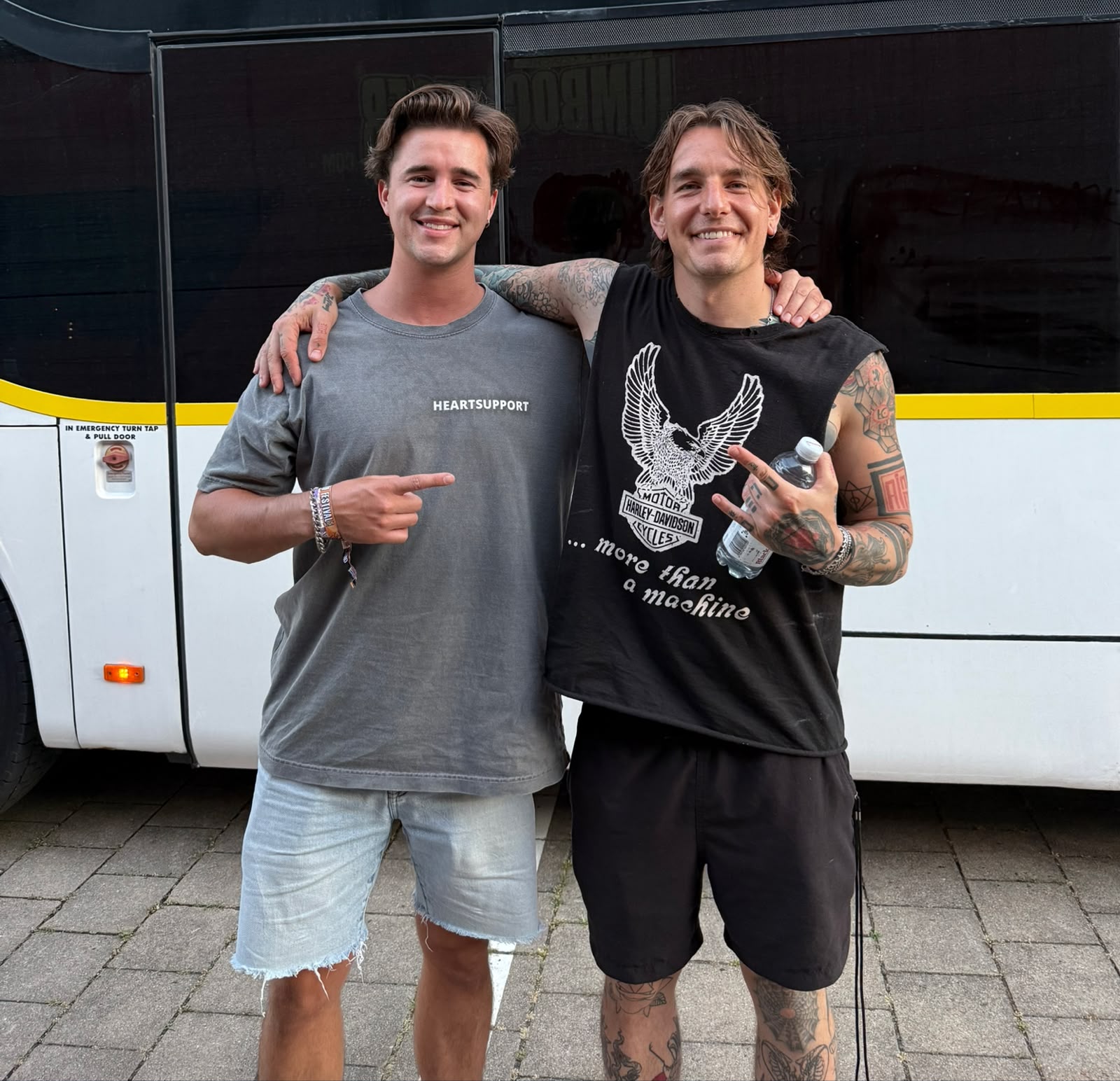
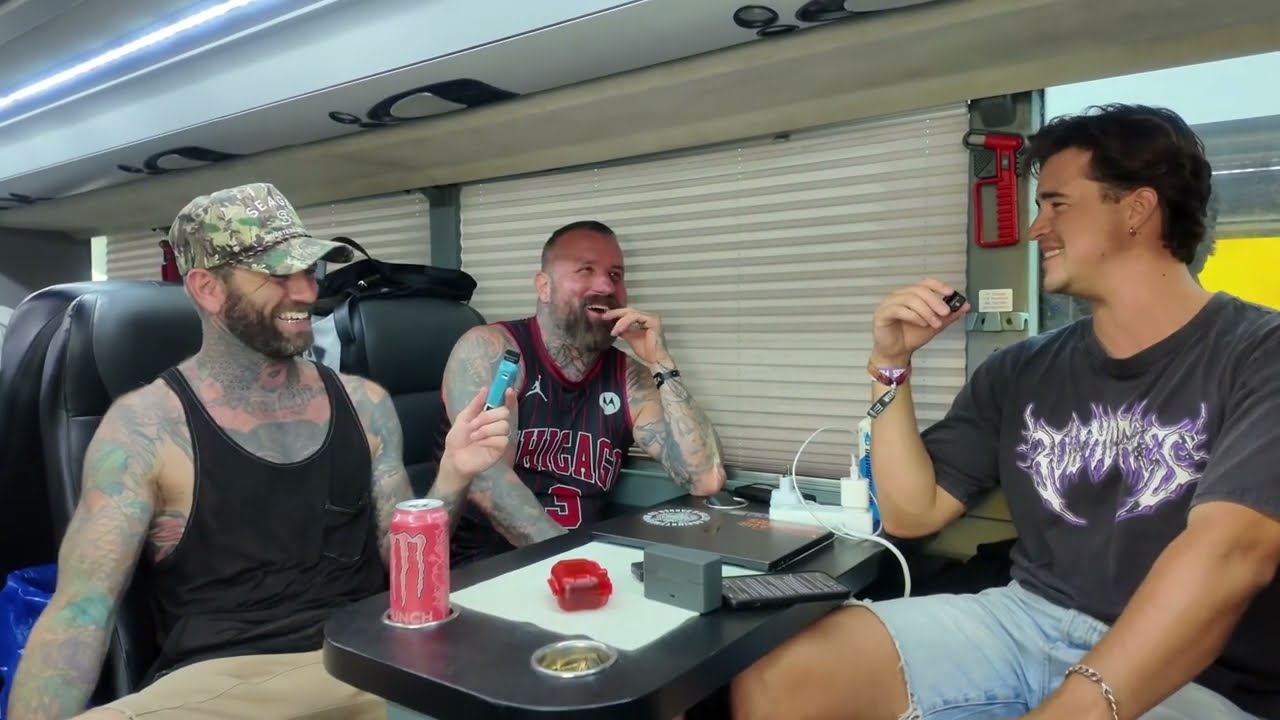
Legends of Metalcore sat down with I Killed The Prom Queen guitarist Jona Weinhofen and vocalist Michael Crafter at Impericon Festival in Leipzig. This transcript has been edited for length, repetition and readability while preserving the order and meaning of the conversation.
Back In Europe With Prom Queen
Legends of MetalcoreWe have just watched the final show of this run. How has it felt to bring Prom Queen back to European festivals?
It has been cool just being able to do festivals, play some shows, see people and get away from the Australian winter for a stinking-hot European summer. It is the best time of year to be here.
Europe is so known for its summer festival season. America has a few festivals now, but they are spread out. Here you have three or four months where something is always happening, and that becomes part of every band's touring cycle. We had not been here in so long, so the first thing we thought was: let's do festivals. We only did a few, plus some headline shows, but it has been the right way to come back.
Legends of MetalcoreHow does this visit compare with the last time you were here?
I had not sung for this band in Europe since 2005, around the time we were doing Music for the Recently Deceased. I came back with Confession in 2012 and played Impericon with Parkway Drive, Miss May I, The Ghost Inside and a whole bunch of bands, but coming back with Prom Queen is crazy. I turn 45 tomorrow. Being this age and playing these songs with my mates while a bunch of Europeans run around in circles is sick. The crowds have been unreal.
Crafter gets into the middle and we call it the Jonado, like a tornado. Sometimes the crowd is into it but just needs a little helping hand. Once he is down there and everyone is running, it lifts the whole thing.
Legends of MetalcoreHow do the European crowds compare with Australia and America, especially with this version of the band?
It depends where you are. This really is a reunion of the original-era lineup from those first releases, with one huge exception. Our original bass player, Sean Kennedy, passed away. Jamie Hope is playing bass now, and he was the band's most recent vocalist, so it was a natural way to reform. Crafter is back on vocals, JJ Peters is back on drums, and we moved things around to keep Jamie involved. In Australia the following is naturally strongest, and that reunion tour gave this lineup a breath of life. It made us excited to work out how we could do more.
Stealing A Band And Finding The Prom Queen Sound
Legends of MetalcoreThe band began around late 2000. What did that beginning actually look like?
Nobody can remember an exact date. Crafter, JJ and I went to high school together and played in different bands. JJ got an opportunity to join a band with people we did not know, but they needed a guitarist, so he brought me in. One of the original singers then left, we brought Crafter in, and slowly it became our band. We basically stole somebody else's band before it had properly become anything.
It had a bunch of names first. I Killed The Prom Queen came from Twin Peaks. When you are young and writing band names down, you do not think it is going to last for twenty-five years. It was very much that era: too many words in the name, a spiky logo you could barely read, and song titles that made absolutely no sense. Everybody thought they were lyrical geniuses, usually in a very emotional way. Poison the Well had a lot to do with that.
Legends of MetalcoreWhich bands were shaping you before Prom Queen had fully found its own sound?
There were a lot. We had just played with Hatebreed on this run, and although we sound different, they were a massive influence, especially in the way we used breakdowns. Standing side-stage watching them made me feel seventeen again. We used to drive around our little town listening to Satisfaction Is the Death of Desire and Perseverance while doing stupid teenager stuff.
Poison the Well, Evergreen Terrace and Bleeding Through were important, then we went deeper into Soilwork, In Flames and At the Gates. We heard bands like Unearth, Between the Buried and Me and Prayer for Cleansing drawing from European metal, so we went to the source. That melodic-death-metal influence became a massive part of what we did.
Legends of MetalcoreWhen did the Swedish melodic-death-metal side become central rather than just another influence?
When Goodbye Means Forever... already had the fast metalcore and breakdown side, but we did not really know what we were doing. Looking back, it is a beautiful mishmash. You hear all these different things smashed into the songs and wonder why we did it, but that is how you find a sound. We kept gravitating toward Swedish melodic death metal, which is why we went to Sweden and recorded Music for the Recently Deceased with Fredrik Nordström. We later went back to him for Beloved with a different lineup. We wanted that sound with our own Australian stamp on it.
Why The Reunion Could Only Happen This Way
Legends of MetalcoreWhat finally made this the right time to bring the band back?
Jona and I had caught up a lot over the years. I went to The Ghost Inside's comeback show in America in 2019, and Jona came to Australia just before COVID. We talked about Prom Queen, then Sean passed away and that put the brakes on everything while we dealt with losing somebody who was such a big part of the band. When the idea returned, we knew JJ and Kevin Cameron had to be there. Then Jamie was the obvious person for bass. He had put years of work into this band, he is a great musician and he can do the backing vocals. It happened in the most organic way possible.
A festival had proposed a reunion six or seven years earlier. That event never happened, but the fan reaction surprised us and the idea stayed. The timing still had to work. We have kids, businesses and jobs, and we are in our forties. Every time you leave now, you put more on hold. In your twenties you can disappear on tour because sleeping on your mate's couch is not exciting that week. Now there are families at home and real responsibilities. We reached a point where everybody could line it up.
There are sacrifices, but there is also a piece of music that you just need. Whenever we had gone away from it for a long time, I think all of us felt that missing piece. This band is a huge part of our lives.
Touring In Your Forties And Building A Life Outside Music
Legends of MetalcoreHow do you stay grounded mentally when you are back on tour?
My AFL side, the Adelaide Crows, just lost to Port Adelaide, so I am not very grounded at the moment. That is the current mental-health crisis. Mostly we are on the phone to our kids all the time, trying to stay connected. My daughter is fourteen, so calling her is different from Jona calling his daughter. His still thinks he is cool. Mine thinks her friends are cool. You are sometimes battling a stubborn version of yourself.
We were strategic and kept this tour short. It is difficult being away from family, but it also gives old friends time together. There can be twelve people packed into the bus, then at the venue we work, soundcheck, find coffee, rent scooters and go sightseeing. It brings back the exploration we had when we were young. You also need moments where you go off alone for some quiet.
Brazilian jiu-jitsu is my outlet at home. It keeps me focused and teaches me to take on challenges without becoming overwhelmed. I found friends to train with on this tour. I won gold at a local competition in Phoenix last year, and I recently got my brown belt. For someone else the thing might be the gym, a book, meditation or yoga. Everybody needs something outside music that belongs to them.
Legends of MetalcoreDid you have to learn that after music stopped being the centre of everyday life?
Yes. When we stopped, everybody picked up different things. Crafter started businesses. I needed something to fill the void, and I had also been doing music for so long that I was burnt out. Jiu-jitsu became the thing I could hyperfocus on. Now the break has left me refreshed. I want to be creative, write and play these songs again. When your identity has been built around touring, the friendship circle can suddenly shrink to ten per cent of what it was. You are not at the shows anymore, and you have to ask what else you are going to do with your life.
For me it is riding my Harley with my mates, being a bogan, watching football and going to my daughter's games. I had thrown everything into tattoo shops and opening businesses, then realised I needed something beyond work. Sport, bikes and family give you that. In a way, you have to reinvent yourself because music was all we knew for so long.
When A Hardcore Band Quietly Became A Career
Legends of MetalcoreWhen did you first realise this could be your career rather than just the band you played in?
It is not lost on us how lucky we are. A music career comes with sacrifice. You miss birthdays, weddings, deaths and funerals, but you also see the world and meet incredible people. We are very aware of the love people have shown this band, especially after having such a long break and being able to return.
We picked up steam quickly in Australia. Within the first two years, people in other states were paying attention, and early MySpace made the music easier to reach. Before that, I did not know what my calling was. I had jobs and hated them, but I did not yet understand that playing in a small hardcore or metalcore band could be a career. Two or three years in, while preparing for our first American trip, we were selling enough merch to split some money between us. Then it was simply: we are going to America for four months, somebody in Europe is interested after that, and this is what we do. Nobody held a meeting to announce it.
Legends of MetalcoreYou also connected with Parkway Drive at the very start of their career. How did the split EP happen?
They were a band from Byron Bay and I went to one of their first shows. I suggested doing a split. There were plenty of bands appearing, but Parkway were immediately impressive and Jeff Ling was a level above most guitarists around us. We thought they could do well, they went into the studio, and suddenly the split was happening. For that first year or so we did a lot together, then the trajectories went in different directions. Looking at what Parkway became is crazy.
Legends of MetalcoreDid it feel at the time as if you were at the front of a metalcore wave?
Not really. Metalcore was not big in Europe then, and hardcore had died off in places. If a hundred people came, you felt like you were killing it. Then there were five hundred people, the rooms got bigger and Europe suddenly exploded. Bands such as Bring Me The Horizon and Architects were around a similar size to everybody else, then the genre reached another level. Metalcore is nearly mainstream now.
Twenty-five years sounds like a long time, but it does not feel that way to us. I still feel like I am drinking Dr Pepper in a shed and trying to play Hatebreed covers. On this tour Prom Queen finally played with Hatebreed for the first time. When Satisfaction Is the Death of Desire and Perseverance came out, they felt like the biggest band in the world to us. Now metalcore bands headline major festivals. That scale would have sounded impossible then.
Legends of MetalcoreHow did your families react when it became clear you were not giving the band up?
I do not know if we ever explained it. We just kept doing it. There may have been some disappointment that we were not becoming plumbers or taking jobs that made more money, then our families started seeing the shows and the things the band made possible. Prom Queen got me onto national television in Australia. Eventually our parents thought, they are going to keep doing this, so we may as well support them.
They did support us, even when they did not understand the music. They would say, I do not know what you are singing about, but everybody seems to love it, so we will be in the front row. When we first went to America, my mother lent us money for the flights. We would have a band meeting and ask whose parent was going to help. Letting your twenty-two-year-old fly across the world with a metalcore band was a gamble.
Being A Band On Social Media
Legends of MetalcoreYou came up through MySpace. How much do you now think about TikTok, Instagram and marketing the band as content?
Not as much as we probably should. A lot of musicians are frustrated that we are forced to become content creators when we really want to play music. That is how younger audiences consume music now, though. I do not mind Instagram or making a funny reel, and people might enjoy guitar playthroughs, but sitting behind a camera is not what I want to do. It is a push and pull between what fans want, how much you need to feed social media and how much you just want to be a musician onstage. We have had great crew members help capture photos and video, which also gives us a time capsule of the reunion.
Prom Queen's accounts had been dormant for years. If you are not posting, you are not in the algorithm. Since the band has been active again, we have seen the Spotify numbers move too. Our personal accounts were bigger because Jona posted jiu-jitsu, I posted tattoo shops, bikes and family, and JJ had Deez Nuts. Now we have to wake the band's pages up and reconnect with people who have waited twenty years to see us.
Spiritbox showed that a band can build in reverse. They developed a huge online following around the music before they had a normal touring history. Our Last Night built covers, videos and YouTube into the centre of the business, then tours around that. Those bands are very savvy about how the two worlds work together.
Legends of MetalcoreMetalcore itself has moved from rough recordings to extremely polished production. What do you make of that change?
I like good production and always have, but you can take it too far. If every drum is edited so perfectly that the band cannot play its own songs live, that is unfortunate. Content has almost moved in the opposite direction. We grew up thinking professional camera footage was the goal, but people now want raw phone clips and a point-of-view feeling. We are trying to find the balance.
I like rough footage when the show looks chaotic, somebody is setting off a flare and the band is playing in a car park. It reminds me of alleyway shows. I also like a polished festival video. The same goes for records. Some old bands made incredible music with pretty bad recordings. Imagine a band such as Day of Suffering or Prayer for Cleansing with the Swedish production available to bigger bands. Some of that music was ahead of its time and never reached enough people.
Old Lyrics And Songs That Never Came Out
Legends of MetalcoreDo you still relate to lyrics you wrote more than twenty years ago?
To be fair, I did not know what I was doing with a lot of the early lyrics. I made things up. I was never good at English and I failed school. Later, with Confession and the album Life and Death, I sat down and thought much more deeply about touring, life and what I wanted every song to say. Part of me wishes I could take some early lines back, but they belong to who I was then. You have to start somewhere. If you can look at the lyrics or riffs you wrote at sixteen and recognise that they were not great, you can get better. If we write now, there will be much more thought in it, probably too much thought.
Legends of MetalcoreCan that overthinking stop music from ever being released?
Definitely. I have songs from other projects sitting on laptops that will probably never see the light of day. Sometimes that is simply part of the process.
It happened with Prom Queen too. There were songs that never made albums, riffs from tracks that fell off an EP, and pieces that just disappeared. Somebody will play an old riff and I will ask what it was, then find out it belonged to a song that was lost years ago.
Remembering Sean Kennedy
Legends of MetalcoreSean Kennedy's death affected the band and the wider metalcore community. Did you grieve together or individually?
Mostly individually, apart from the memorial and funeral. It brought some of us closer after there had been distance between people, and that became one factor in eventually reaching the reunion. I was living in America when I found out Sean had died, so I was alone in that. On the Australian tour we finally had an opportunity for a belated shared grief, or maybe a shared gratitude. He was such a large part of the legacy we built, and it felt strange to celebrate it without him. We tried to honour his part in everything.
The COVID period made funerals and memorials difficult because Australian borders were closing. Another friend from the band Miles Away had taken his own life a few months earlier, then one of my tattoo artists died by suicide too. Sean and I had already been talking about friends who were struggling. A huge amount happened inside six months. You do not get over losing somebody who will never be in your life again. You adapt to it.
Playing shows felt like the best way we could pay respect. We brought Sean's family to shows, caught up with them and showed how important he was, not only to us but to the fans. I wear a vest that says SK Forever. There is something about putting it on that makes it feel as if he is with me. The Australian reunion was emotional every night, but it gave us a way to show love and grieve together.
Legends of MetalcoreHas that experience changed what you want to say about mental health from the stage?
That period was hard and uncertain, and I saw so many people struggling. I have sometimes avoided speaking about it in Europe because I did not want what I said to be lost in translation. In Australia, we took time at the shows to remind people that everybody is dealing with something. Never be ashamed to speak to somebody, whether that is a psychologist, psychiatrist or therapist. Even getting things off your chest can genuinely help.